Introduction
Psoriasis is more than just a skin condition—it’s a long-term, immune-related disorder that affects millions of people around the world. Characterized by itchy, scaly patches that often appear on the elbows, knees, scalp, and lower back, psoriasis can significantly impact a person’s physical comfort and emotional well-being.
While it’s not contagious, it is chronic, meaning it can last for years and go through cycles of flare-ups and remission. The good news? With the right knowledge and care, psoriasis can be managed effectively, allowing individuals to lead healthy, active lives.
This comprehensive guide breaks down everything you need to know about managing psoriasis: from recognizing its symptoms to exploring the most effective treatments available today.
What is Psoriasis?
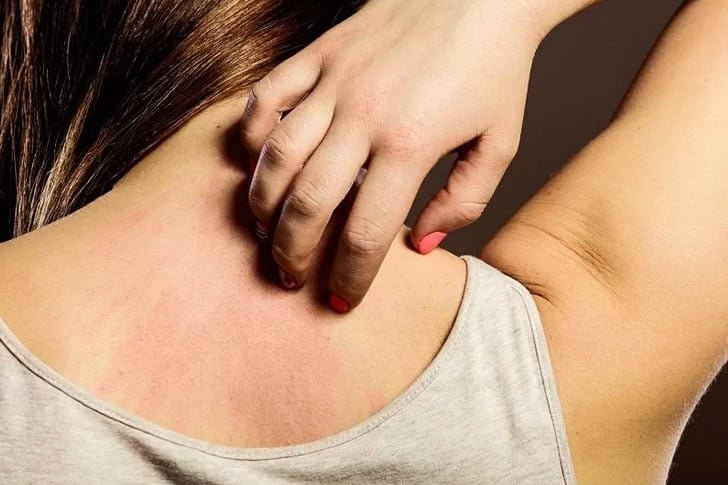
Psoriasis is a chronic autoimmune condition that speeds up the life cycle of skin cells. Instead of shedding old cells slowly, new skin cells pile up on the surface, leading to thick, red, inflamed patches often covered with silvery-white scales.
It is not just a cosmetic issue—it can be painful, itchy, and emotionally distressing.
What Causes Psoriasis?
The exact cause is still not fully understood, but it is believed to involve a combination of genetic, immune system, and environmental factors.
Common Triggers Include:
- Stress
- Infections (like strep throat)
- Skin injuries (cuts, scrapes, sunburns)
- Cold, dry weather
- Smoking and heavy alcohol consumption
- Certain medications (e.g., beta-blockers, lithium)
Types of Psoriasis
There are several types of psoriasis, and understanding which type you have can help determine the most suitable treatment.
1. Plaque Psoriasis (Psoriasis Vulgaris)
- Most common type (around 80–90% of cases)
- Symptoms: Red patches with silvery scales
- Common locations: Scalp, elbows, knees, lower back
2. Guttate Psoriasis
- Appears as small, pink-red spots
- Often triggered by infections
- More common in children and young adults
3. Inverse Psoriasis
- Occurs in skin folds (armpits, groin, under breasts)
- Shiny, red, inflamed patches without scaling
4. Pustular Psoriasis
- White, pus-filled blisters surrounded by red skin
- Can occur in localized or generalized forms
5. Erythrodermic Psoriasis
- Rare but severe; widespread redness and shedding
- Requires immediate medical attention
Recognizing the Symptoms
Psoriasis symptoms vary depending on the type, but some general signs include:
- Thickened, red patches of skin
- Dry, cracked skin that may bleed
- Itching or burning sensation
- Thick, ridged, or pitted nails
- Stiff and swollen joints (psoriatic arthritis)
Symptoms often go through cycles—flaring up for a few weeks or months, then subsiding or going into remission.
Diagnosing Psoriasis
Diagnosis is typically based on:
- Physical Examination: A dermatologist examines your skin, scalp, and nails.
- Medical History: Family history and symptom triggers are discussed.
- Skin Biopsy: In some cases, a small skin sample is taken to rule out other skin conditions like eczema or fungal infections.
Effective Psoriasis Treatments
While there is no permanent cure for psoriasis, many treatments can significantly reduce symptoms and improve quality of life.
1. Topical Treatments
These are the first line of defense for mild to moderate psoriasis.
- Corticosteroids: Reduce inflammation and slow skin cell turnover.
- Vitamin D analogs: Such as calcipotriene and calcitriol.
- Salicylic Acid: Helps remove scales and smooth the skin.
- Coal Tar: Reduces scaling, itching, and inflammation.
- Moisturizers: Prevent dryness and cracking.
2. Phototherapy (Light Therapy)
- Exposing the skin to UVB light slows cell growth.
- Requires medical supervision to avoid skin damage.
- Can be combined with other treatments for better results.
3. Systemic Medications
For moderate to severe cases, oral or injectable medications are prescribed.
- Methotrexate: Suppresses the immune system.
- Cyclosporine: Slows immune response.
- Retinoids: Help normalize skin cell growth.
- Biologics: Target specific parts of the immune system (e.g., Humira, Enbrel, Stelara, Cosentyx)
Note: These medications can have side effects and require regular monitoring by your doctor.
Natural and Lifestyle Remedies
Many people find relief through natural treatments and lifestyle adjustments alongside medical care.
Home Remedies and Tips:
- Aloe Vera Gel: Soothes itching and inflammation.
- Oatmeal Baths: Relieve dry, itchy skin.
- Omega-3 Fatty Acids: Found in fish oil; reduce inflammation.
- Apple Cider Vinegar: May help scalp psoriasis.
- Turmeric Supplements: Anti-inflammatory properties.
Lifestyle Changes:
- Manage Stress: Yoga, meditation, and breathing exercises.
- Stay Moisturized: Especially in dry climates.
- Avoid Triggers: Like smoking, alcohol, and harsh soaps.
- Healthy Diet: Focus on anti-inflammatory foods (berries, green leafy veggies, fish).
Psoriatic Arthritis
Up to 30% of people with psoriasis also develop psoriatic arthritis, which causes joint pain, stiffness, and swelling. Early diagnosis and treatment are essential to prevent joint damage.
Symptoms include:
- Joint stiffness (especially in the morning)
- Swollen fingers or toes
- Fatigue
- Lower back pain
Treatment involves NSAIDs, DMARDs, and biologic medications.
Living with Psoriasis: Mental Health Matters
Living with a visible skin condition like psoriasis can affect your emotional well-being.
You’re not alone:
- Many people experience depression, anxiety, and low self-esteem.
- Support groups, therapy, and talking with others can help.
- Consider speaking with a mental health professional if you’re struggling.
Summary Table – Psoriasis Management Overview
| Treatment Type | Best For | Example Options |
|---|---|---|
| Topical Treatments | Mild to moderate symptoms | Steroids, Vitamin D creams, moisturizers |
| Light Therapy | Moderate symptoms | UVB Phototherapy, Excimer Laser |
| Systemic Medications | Severe or widespread psoriasis | Biologics, Methotrexate, Retinoids |
| Home Remedies | Supportive care | Aloe Vera, Oatmeal, Fish Oil |
| Lifestyle Changes | Prevention and flare control | Diet, Stress Management, Skincare Routine |
FAQs – Managing Psoriasis
Q1: Is psoriasis contagious?
No. Psoriasis is an autoimmune disease and cannot be passed from person to person.
Q2: Can psoriasis be cured permanently?
There is no cure yet, but symptoms can be effectively managed with consistent treatment.
Q3: Can diet affect psoriasis?
Yes. Anti-inflammatory foods and avoiding triggers like alcohol, sugar, and processed foods may help reduce flare-ups.
Q4: Is psoriasis related to other health issues?
Yes. It is linked to other conditions like heart disease, diabetes, obesity, and depression.
Q5: How long does it take for psoriasis treatments to work?
Topicals may show results in 2–4 weeks. Systemic treatments may take longer but are more effective for severe cases.
Final Thoughts
Managing psoriasis takes patience, education, and a bit of trial and error. The key is to understand your triggers, stick to your treatment plan, and work closely with a dermatologist to adjust your care as needed.
You are not defined by your skin condition. With today’s advanced treatments and lifestyle strategies, living comfortably and confidently with psoriasis is absolutely possible.
Call to Action
Have you or a loved one been affected by psoriasis? Share your experiences or tips in the comments below to help others on their journey. And if you found this guide useful, don’t forget to share it with someone who might benefit!
Disclaimer: This article is for educational purposes only and is not a substitute for professional medical advice. Always consult your doctor or a licensed dermatologist for diagnosis and treatment recommendations.